


Why the Market Is Flooded With “Colombian” Fajas That Aren’t
As Colombian fajas gained international recognition, so did the number of imitations.
Today, many products labeled as “Colombian faja” are:
- Manufactured outside Colombia
- Made with inferior materials
- Designed without compression science
- Marketed using misleading language
Knowing how to identify an authentic Colombian faja is essential — not just to get results, but to avoid discomfort, wasted money, and disappointment.
What Makes a Colombian Faja Truly Authentic?
An authentic Colombian faja is defined by origin, materials, construction, and function — not by the word “Colombian” on the listing.
Let’s break it down.
1. Country of Origin: “Designed in Colombia” vs “Made in Colombia”
This is one of the most common tricks.
Authentic Colombian Fajas:
- Manufactured in Colombia
- Often state “Hecho en Colombia” or “Made in Colombia”
- Produced under Colombian garment and medical standards
Imitations:
- “Designed in Colombia” (but made elsewhere)
- No clear country of manufacture
- Vague or missing origin information
If the product avoids stating where it’s made, that’s a red flag.
2. Fabric Tells the Truth: Powernet vs Cheap Compression
Authentic Colombian Fajas Use:
- Medical-grade Powernet
- Lycra blends for flexibility
- Multi-layer compression fabrics
- Durable textiles that retain shape over time
Imitation Fajas Often Use:
- Thin nylon or polyester
- Neoprene or rubbery materials
- One-layer “compression” that stretches out quickly
If the description focuses on “sweating,” “thermal,” or “burning fat,” it’s likely not authentic Colombian shapewear.
3. Construction & Pattern Design
Real Colombian Fajas:
- Multi-panel anatomical construction
- Reinforced seams
- Strategic compression zones
- Flexible boning for posture support
They are engineered, not cut as simple tubes.
Imitations:
- Flat, uniform fabric
- Minimal stitching
- No panel mapping
- Poor durability after washing
An authentic faja feels structured — not flimsy.
4. Compression Behavior: Graduated vs Aggressive
Authentic Colombian Compression:
- Firm at the waist and abdomen
- Gradual reduction toward ribs, hips, and thighs
- Comfortable for extended wear
Imitation Compression:
- Squeezes everything equally
- Often too tight in one area, loose in others
- Causes rolling, digging, or breathing discomfort
Real shaping feels supportive, not punishing.
5. Fit Guidance & Sizing Transparency
Authentic brands:
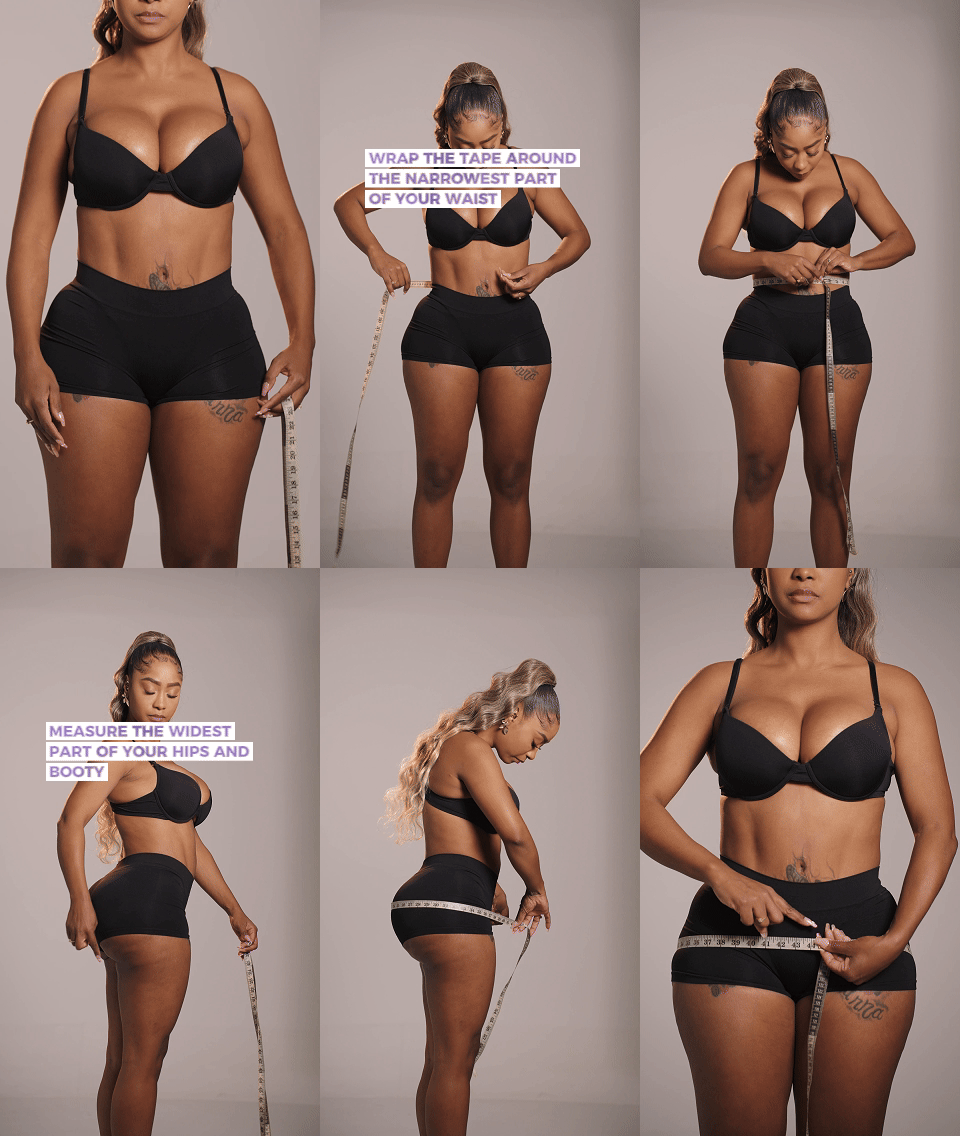
- Use measurement-based size charts
- Educate buyers on fit and compression stages
- Explain who each garment is for
Imitations:
- Tell you to “order your usual size”
- Promote sizing down aggressively
- Lack real fit education
Colombian fajas are precision garments — sizing guesswork is a warning sign.
6. Price: Cheap Is Usually a Clue
Authentic Colombian fajas are not disposable shapewear.
Extremely low prices usually mean:
- Inferior fabric
- No graduated compression
- Short lifespan
A real Colombian faja is an investment in quality, comfort, and results.
Quick Checklist: Real vs Imitation Colombian Fajas
| Feature | Authentic Colombian Faja | Imitation |
|---|---|---|
| Made in Colombia | Yes | Often no |
| Fabric | Powernet, Lycra | Nylon, neoprene |
| Compression | Graduated | Flat or aggressive |
| Construction | Multi-panel | Single piece |
| Fit Guidance | Measurement-based | Guess-based |
| Durability | Long-term | Short-lived |
Why Buying Authentic Matters
Wearing an imitation faja often leads to poor shaping results, discomfort, wasted money, and frustration.
Many people who say “Colombian fajas don’t work” have simply never worn a real one.
Final Thoughts
Authentic Colombian fajas are not defined by marketing — they’re defined by engineering, materials, and expertise.
When you know what to look for, you protect your body, your investment, and your results.
Frequently Asked Questions (FAQs)
Q: Is there really a “best” Colombian faja for everyone?
A: No. The best faja depends on body type, purpose, and compression tolerance.
Q: What matters more: brand or fit?
A: Fit matters more than brand.
Q: Should I choose based on body shape?
A: Yes. Different body types require different construction patterns.
Q: How often should I replace a Colombian faja?
A: Most high-quality fajas last 6–12 months with regular use.