


Why Language Is a Bigger Barrier Than Most People Realize
Many shoppers avoid Colombian fajas not because of price or distrust, but because of language confusion. Unclear translations, unfamiliar terms, and poorly explained size charts create hesitation—especially for post-surgical garments.
For compression wear, clarity is not optional.
The Real Risk of Buying Through Language Guesswork
When buyers don’t fully understand what they’re purchasing, common mistakes include wrong sizing, incorrect compression stage selection, misuse of the garment, and unnecessary returns. In post-op cases, misunderstandings can lead to real health risks.
Why Many Colombian Faja Sellers Still Operate in Spanish
Colombian fajas are traditionally designed, manufactured, and sold in Spanish-speaking markets. Many brands rely on resellers for translation, which often results in literal—but not educational—English.
Translation without explanation leads to confusion.
“Near Me” Stores Don’t Always Solve the Language Problem
Local stores may still use Spanish product names, rely on inconsistent bilingual staff, or simplify explanations verbally. This often removes critical technical details about compression, fit, and usage.
What “Buying in English” Should Actually Mean
1. Clear Compression Terminology
Buyers should understand compression levels, daily vs post-op use, and what Stage 1, 2, or 3 truly mean—without vague language.
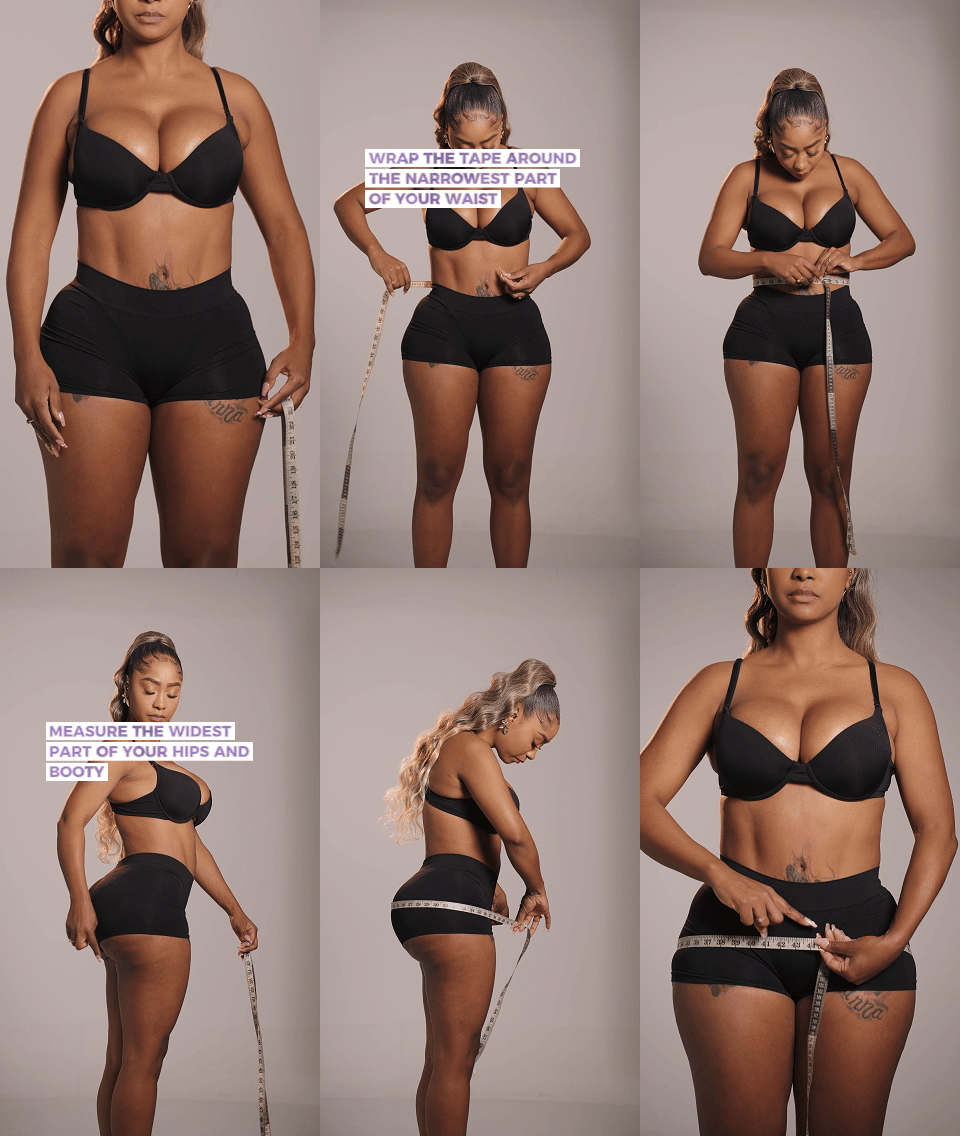
2. Measurement-Based Sizing (Explained Simply)
A reliable English-language store explains where and how to measure, how compression should feel, and when sizing adjustments are appropriate.
3. Plain-English Usage Instructions
You should never wonder how long to wear the faja, whether discomfort is normal, or if it’s too tight.
4. English-Speaking Support
Pre- and post-purchase guidance in English builds confidence and reduces mistakes.
Common Language Traps to Avoid
Auto-Translated Pages
Machine-translated sites with inconsistent terminology often signal poor support.
Size Charts Without Context
Numbers without compression explanation force buyers to guess.
Spanish Product Names Without Explanation
Terms like “Faja Postquirúrgica” should always be explained clearly.
Why Specialized English-Language Stores Perform Better
Stores focused on English-speaking buyers typically adapt sizing guidance, clarify Colombian vs US sizing, and emphasize education—dramatically reducing errors.
Buying Online in English vs Buying Local “Near Me”
| Factor | Local Store | Online (English-Focused) |
|---|---|---|
| Language clarity | Depends on staff | Consistent |
| Compression explanation | Often vague | Detailed |
| Size guidance | Visual guessing | Measurement-based |
| Support | Limited hours | Ongoing |
| Confidence | Variable | Higher |
The Confidence Factor
Most buyers don’t want the cheapest faja—they want the one they understand. Clear language leads to clear expectations and better results.
The Bottom Line
Buying Colombian fajas should not require translating medical terms or guessing fit. If you shop in English, you deserve full English education, support, and clarity.
Frequently Asked Questions (FAQs)
Q: Do I need to speak Spanish to buy a Colombian faja?
No. Many reputable brands provide full English support.
Q: Why is language support important?
Because correct sizing and compression depend on clear communication.
Q: Are English-based brands less authentic?
No. Many import directly from Colombia while offering US-based service.
Q: Can misunderstandings affect results?
Yes. Incorrect size selection is one of the most common issues.