


Why Fake Colombian Fajas Are Everywhere (Especially Locally)
The demand for Colombian fajas has grown rapidly, and with rising demand comes an increase in counterfeit and misleading products—especially in local stores advertising “Colombian fajas near me.”
Often unintentionally, local sellers stock products that are not truly Colombian, leaving buyers with garments that fail to deliver expected results.
What Makes a Faja “Fake”?
A fake Colombian faja may look convincing, but usually fails in construction, compression, or origin.
Common issues include non-Colombian manufacturing, non-medical fabrics, incorrect compression, and poor durability.
Why Local Stores Are a High-Risk Zone
Many local stores rely on visual appeal, generic imports, and vague descriptions, creating a false sense of security for buyers.
7 Ways to Spot a Fake Colombian Faja in a Local Store
1. No Clear Country of Origin
If the label does not clearly say “Made in Colombia”, it is a major warning sign. Terms like “Colombian style” or “Designed in Colombia” do not confirm origin.
2. No Brand Traceability
Authentic Colombian fajas come from identifiable manufacturers. Vague brand information is a red flag.
3. Fabric Feels Wrong
Real Colombian fajas use structured materials like Powernet. Overly soft or flimsy fabric often indicates imitation.
4. One-Size-Fits-All Compression Claims
Compression should be measurable and stage-specific. Universal claims without technical detail are unreliable.
5. Incorrect Use Recommendations
Recommending the same faja for daily wear and post-surgery is a major warning sign.
6. Unrealistically Low Price
Authentic Colombian fajas have real production costs. Extremely low prices usually indicate counterfeit products.
7. No Return, No Exchange Policies
Lack of accountability protects the seller, not the buyer.
The Most Common Fake Faja Scenarios
Fake Colombian fajas are often found in fashion boutiques, beauty supply stores, or bulk import resellers using Colombian labels.
How Online Specialists Reduce This Risk
Reputable online sellers name brands, explain fabrics, define compression stages, provide sizing support, and allow exchanges.
Quick Checklist Before Buying Locally
- Clearly states Made in Colombia
- Verifiable brand presence
- Defined compression stages
- Structured, dense fabric
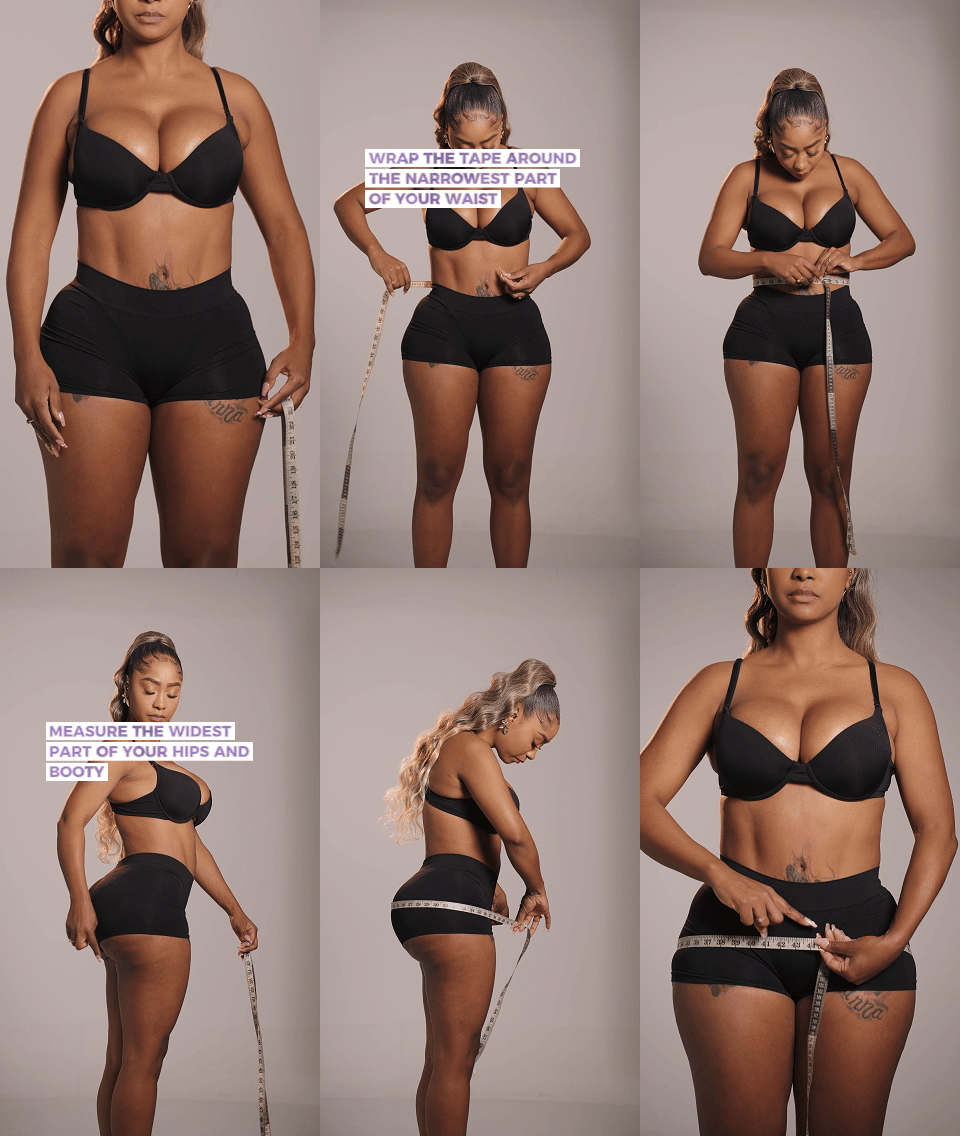
- Measurement-based sizing
If more than one answer is no, do not buy.
The Bottom Line
Fake Colombian fajas waste money and can negatively affect recovery or results. Buying locally is not wrong—but buying uninformed is.
Frequently Asked Questions (FAQs)
Q: What are common signs of fake Colombian fajas?
Missing labels, vague sizing, and unusually low prices.
Q: Does “Made in Colombia” always mean authentic?
No. Some labels are misleading or incomplete.
Q: Can packaging help identify authenticity?
Yes. Authentic brands include branded packaging and care instructions.
Q: Is it safer to buy from official distributors?
Yes. Authorized sellers reduce counterfeit risk.