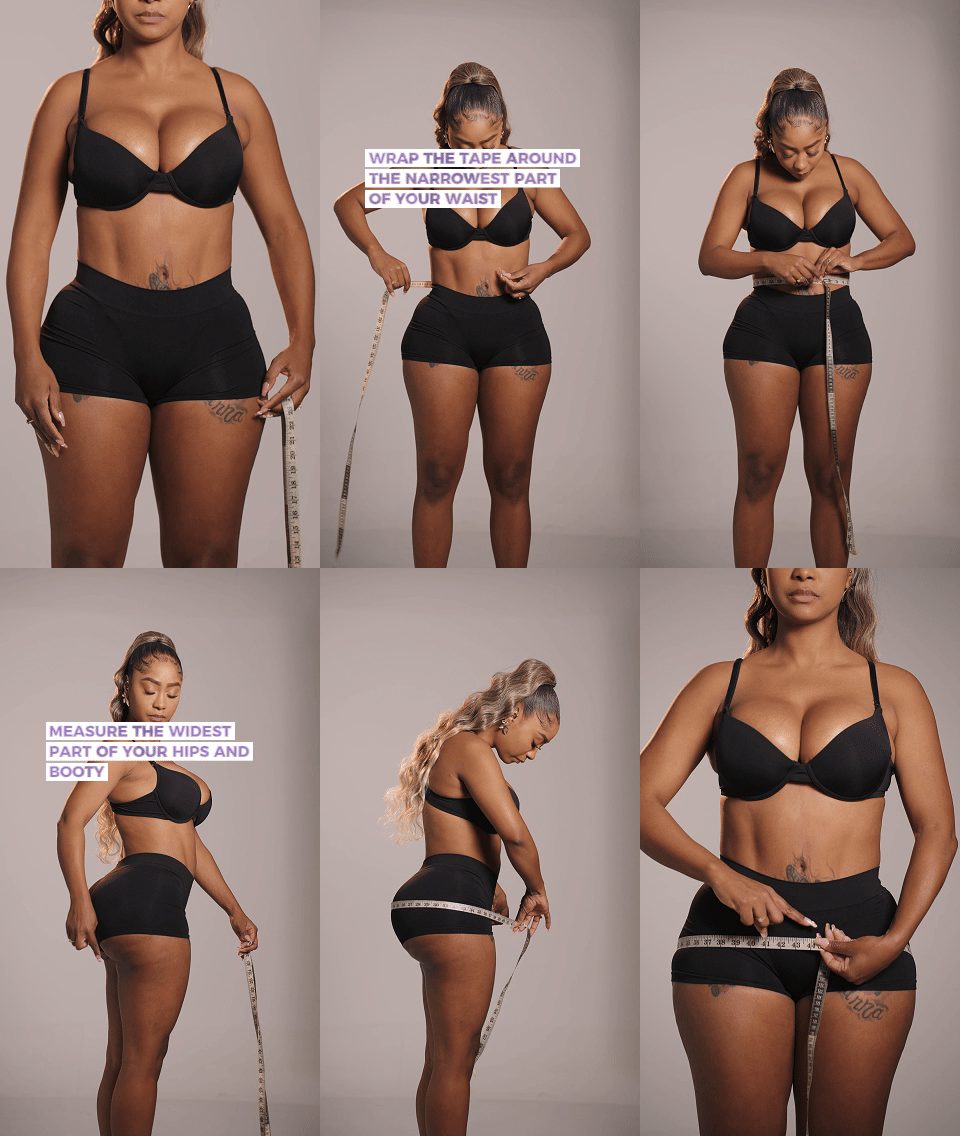



A plus size faja after surgery needs to do more than just come in a bigger size — it needs even compression panels, reinforced seams, and a cut that follows your actual shape instead of just stretching straight fabric wider. Getting this wrong is the difference between a garment that supports your recovery and one that rolls, digs in, or loses its shape within a few weeks.
If you're plus size and prepping for post-surgical recovery, here's what actually matters in the fit.
Why Sizing Up Isn't the Same as Fitting Right
A lot of plus size shoppers assume the only difference between sizes is more fabric — but a well-made plus size faja is engineered differently. It needs reinforced panels at stress points (hips, waist, thighs), wider gusset construction so it doesn't ride up, and boning or structure placed to follow curves rather than flatten them. A faja that's simply "sized up" from a smaller pattern often compresses unevenly, which can actually work against your recovery instead of supporting it.
What to Look for in a Plus Size Post-Surgery Faja
- Reinforced side panels that keep compression even across your hips and waist instead of concentrating pressure in one spot.
- Adjustable hook-and-eye closures with multiple rows, so the fit can adapt as swelling changes throughout recovery.
- A longer torso and leg cut designed for a plus size frame, not just a wider version of a straight-size pattern.
- Breathable, stretch-recovery fabric that bounces back into shape after washing instead of loosening permanently.
Common Fit Problems — and What They Actually Mean
| Problem | What's Usually Happening | What to Try |
|---|---|---|
| Rolling at the waist | Garment is too short in the torso for your frame | Size up in length, not just width |
| Digging in at the hips | Panels aren't reinforced for even compression | Look for wider side paneling and gusset construction |
| Losing shape after a few weeks | Fabric doesn't have real stretch-recovery | Choose recovery-grade compression fabric, hand wash to protect it |
| Straps digging into shoulders | Straps too narrow for the compression level | Choose wide, adjustable straps built for the garment's support level |
Choosing the Right Stage as a Plus Size Shopper
The same staging system applies whether you're plus size or not — Stage 1 for the first weeks post-op, moving into Stage 2 as swelling goes down. What changes is fit engineering, not the recovery timeline itself. If a size chart doesn't list your measurements clearly across the hip, waist, and thigh, that's usually a sign the brand hasn't actually designed for a plus size body — check for detailed size charts before buying.
Frequently Asked Questions
Do plus size fajas compress as effectively as straight sizes?
They should, if the garment is properly engineered with reinforced panels and even paneling — not just a scaled-up pattern. A well-made plus size faja compresses just as effectively as any other size.
How do I know if I need to size up mid-recovery?
If your faja starts rolling, digging in, or losing its shape even after adjusting the closures, that's usually a sign it's time to size up — swelling changes are normal throughout recovery.
Can I wear a plus size faja for everyday shapewear, not just recovery?
Yes — many plus size compression garments are built to transition from recovery-stage compression to everyday shaping wear once you're fully healed.
What's the biggest sizing mistake people make?
Sizing based on width alone and ignoring torso and leg length, which is usually what causes rolling and discomfort rather than the compression level itself.
Recovery That Actually Fits
The right plus size faja should feel like it was made for your body, not adapted from someone else's pattern. Prioritize construction and sizing detail over anything else when you're shopping for post-surgical recovery wear.
Shop our Plus Size Fajas collection, including our plus size arm shaper for full-body coverage during recovery.
This article is for informational purposes only and does not replace medical advice. Post-surgical shapewear should be used according to your surgeon's specific instructions — wear time, compression level, and when to start using it all vary by procedure and by individual recovery.